


Athlete focused on performance recovery at Physicians Ketamine Institute of Destin

Athletic Performance & Recovery in Destin, FL

Elevate Your Competitive Edge

Common In:Active Adults 18+
Primary Causes:Oxidative Stress, Depletion
Treatment Time:45-90 minutes
Results:Within 24-72 hours
Active individual assessing athletic recovery at Physicians Ketamine Institute Destin

What Is Athletic Performance Decline?

Recognizing the Signs

Athletic performance decline refers to a measurable reduction in physical output, recovery capacity, and exercise tolerance that occurs when the body's cellular energy systems and antioxidant defenses become depleted. This condition affects both competitive athletes and active individuals, manifesting as prolonged recovery times, decreased power output, and diminished endurance despite consistent training.

When you notice your times slowing, your muscles taking days longer to recover, or your energy crashing mid-workout, you are experiencing the physiological consequences of cellular depletion. These changes often appear gradually, making them easy to dismiss as normal aging or overtraining.

Many athletes describe feeling like they have "hit a wall" where no amount of training, nutrition, or sleep restores their previous capacity. This frustration is compounded by the pressure to perform, whether in competition, recreational sports, or simply maintaining the active lifestyle that defines their identity.

Illustration of cellular energy and oxidative stress in athletes at Physicians Ketamine Institute Destin

Why Athletic Performance Declines

Understanding the Root Causes

Peak athletic performance depends on efficient mitochondrial function, the cellular powerhouses that convert nutrients into ATP (adenosine triphosphate), the energy currency your muscles use during every contraction. NAD+ (nicotinamide adenine dinucleotide) is the essential coenzyme driving this process, yet levels decline approximately 50% between ages 40 and 60, directly reducing your cells' ability to produce energy.

Intense exercise generates massive amounts of reactive oxygen species (ROS), commonly known as free radicals. While moderate ROS levels actually stimulate adaptation, excessive oxidative stress overwhelms the body's antioxidant defenses, particularly glutathione, leading to prolonged inflammation, delayed muscle repair, and accumulated cellular damage that compounds with each training session.

This oxidative burden depletes glutathione reserves faster than the body can replenish them through diet alone. When intracellular glutathione drops below optimal levels, the body enters a cycle of impaired recovery, increased susceptibility to injury, and progressive performance deterioration that conventional nutrition and rest cannot fully reverse.
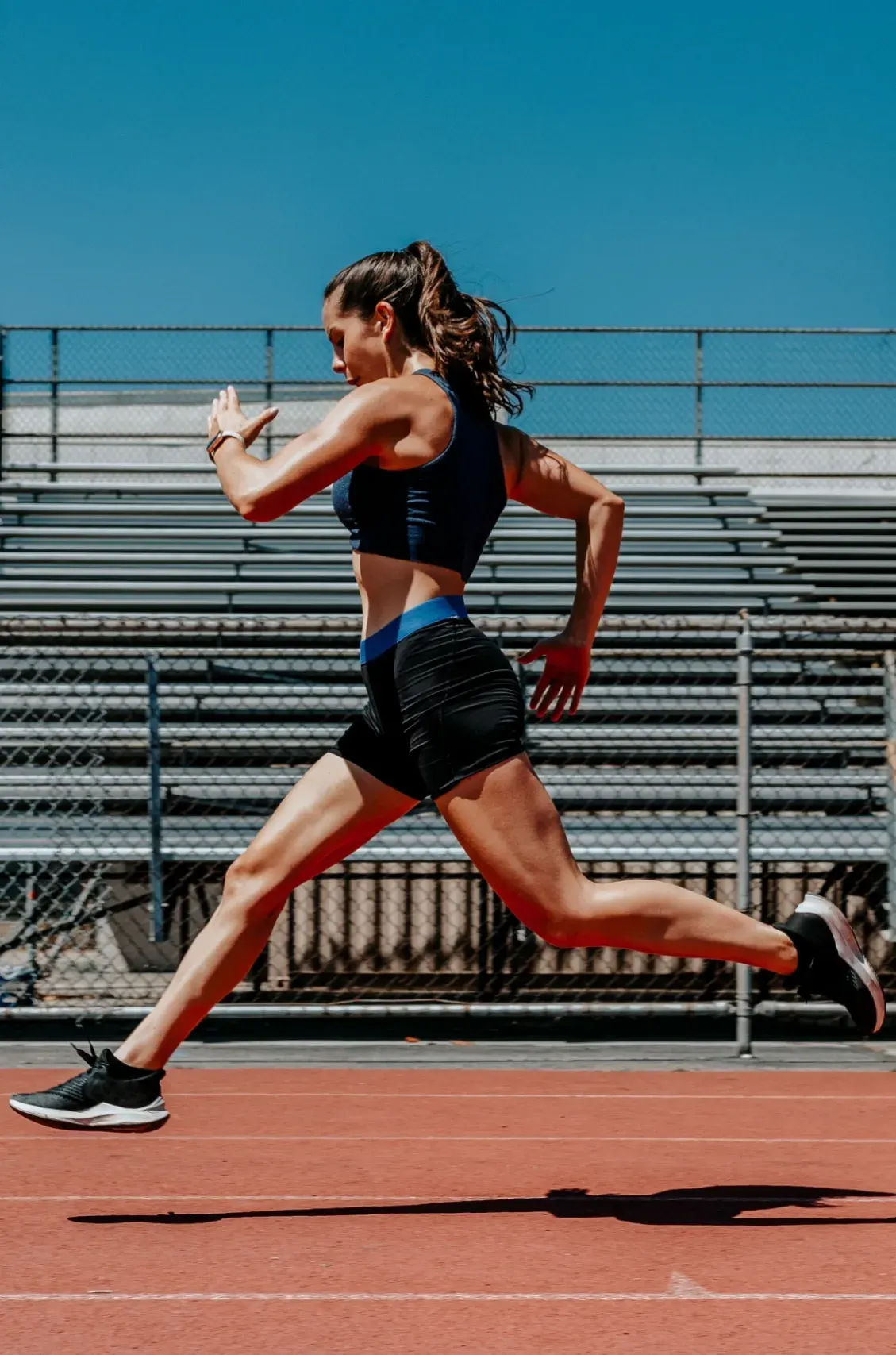

Diagram showing NAD+ and mitochondrial energy pathways at Physicians Ketamine Institute Destin

NAD+ & Mitochondrial Function

How Cellular Energy Affects Performance

NAD+ serves as the primary electron carrier in your mitochondria, shuttling energy through the electron transport chain to produce ATP. Every muscle fiber contraction, nerve signal, and recovery process depends on this molecule. Research shows that skeletal muscle NAD+ levels directly correlate with exercise capacity, with depleted levels reducing peak power output by measurable margins.

Glutathione, the body's most abundant intracellular antioxidant, works in tandem with NAD+ to protect mitochondria from exercise-induced oxidative damage. When glutathione is depleted, mitochondrial DNA becomes vulnerable to free radical damage, triggering a progressive decline in energy production efficiency that athletes experience as unexplained fatigue and slower recovery between sessions.

The compounding effect is significant: as NAD+ declines with age and training stress, glutathione demand increases. Without adequate levels of both molecules, the body cannot sustain the repair-and-rebuild cycle that transforms training stimulus into performance gains, creating a bottleneck that limits adaptation regardless of training volume or intensity.

Factors affecting athletic performance and recovery at Physicians Ketamine Institute Destin

What Limits Athletic Performance?

01

NAD+ Depletion

Cellular NAD+ levels decline with age and intense training, reducing mitochondrial ATP production and limiting energy available for performance and recovery.

02

Oxidative Stress

High-intensity exercise generates excessive free radicals that overwhelm antioxidant defenses, causing prolonged inflammation and delayed tissue repair.

03

Glutathione Depletion

The body's master antioxidant becomes depleted faster than it can be replenished through diet, leaving cells vulnerable to cumulative oxidative damage.

04

Chronic Inflammation

Persistent low-grade inflammation from inadequate recovery impairs muscle protein synthesis and disrupts hormonal balance essential for adaptation.

05

Age-Related Decline

After age 30, natural declines in NAD+, CoQ10, and hormonal output progressively reduce the body's capacity for peak performance and efficient recovery.

Dr. Megan Barnett and the clinical team at Physicians Ketamine Institute of Destin

Why Choose Physicians Ketamine Institute

  • Physician-Led Protocols
  • Customized Formulations
  • Evidence-Based Approach
  • Athlete-Centered Care

Performance IV Therapy Comparison

Treatment Best For Session Time Results Timeline Maintenance
NAD IV Therapy Cellular energy restoration, endurance, overall performance optimization 2-4 hours 24-72 hours for initial effects Weekly to monthly based on training load
Glutathione IV Therapy Oxidative stress reduction, faster muscle recovery, immune support 1-2 hours Immediate to 48 hours Weekly during heavy training cycles
Athlete recognizing signs of performance decline at Physicians Ketamine Institute Destin

Signs Your Performance Is Declining

  • Slower Recovery
  • Declining Performance
  • Mid-Workout Fatigue
  • Poor Sleep Quality
  • Increased Injury Risk
  • Mental Fog During Training

Frequently Asked Questions

Athletic Performance & IV Therapy

01 How do NAD+ and glutathione support athletic performance?

NAD+ is a coenzyme essential for mitochondrial energy production, directly fueling ATP synthesis that powers muscle contractions and recovery. Glutathione is the body's most powerful intracellular antioxidant, neutralizing the oxidative stress generated during intense exercise. Together, these molecules address the two primary bottlenecks in athletic performance: energy production and cellular protection. IV delivery bypasses the digestive system, achieving blood levels far higher than oral supplementation.

02 How often should athletes get IV therapy?

Frequency depends on your training intensity, competition schedule, and individual response. Many athletes begin with a loading phase of 1-2 sessions per week for 2-4 weeks, then transition to maintenance sessions every 1-4 weeks. Dr. Barnett will evaluate your specific needs during your consultation and may adjust the protocol based on your training cycle, with more frequent sessions during peak training periods.

03 How quickly will I notice results?

Most patients report improved energy levels and mental clarity within 24-72 hours after their first NAD IV Therapy session. Glutathione IV Therapy effects, particularly reduced muscle soreness and faster recovery, are often noticeable within 24-48 hours. Cumulative benefits, including sustained endurance improvements and consistent recovery times, typically develop over 2-4 weeks of regular treatment.

04 Can I get IV therapy the day of competition?

Glutathione IV Therapy can be administered the day before or morning of competition, as sessions are brief and well-tolerated. NAD IV Therapy sessions are longer and may cause temporary mild flushing, so we recommend scheduling these at least 24-48 hours before competition. Dr. Barnett will help you plan treatment timing around your competition calendar for optimal results.

05 What sports do your patients play?

Our patients include runners, triathletes, CrossFit athletes, golfers, tennis players, cyclists, swimmers, and weekend warriors across the Destin and Emerald Coast area. We also work with military personnel maintaining peak physical readiness. The protocols are effective for any activity that demands sustained energy output, rapid recovery, and resilience against oxidative stress, from endurance sports to high-intensity interval training.

Location1241 Airport Rd, Suite A
Destin, FL, 32541

Schedule Your Consultation

Scientific References