
Initial Mapping
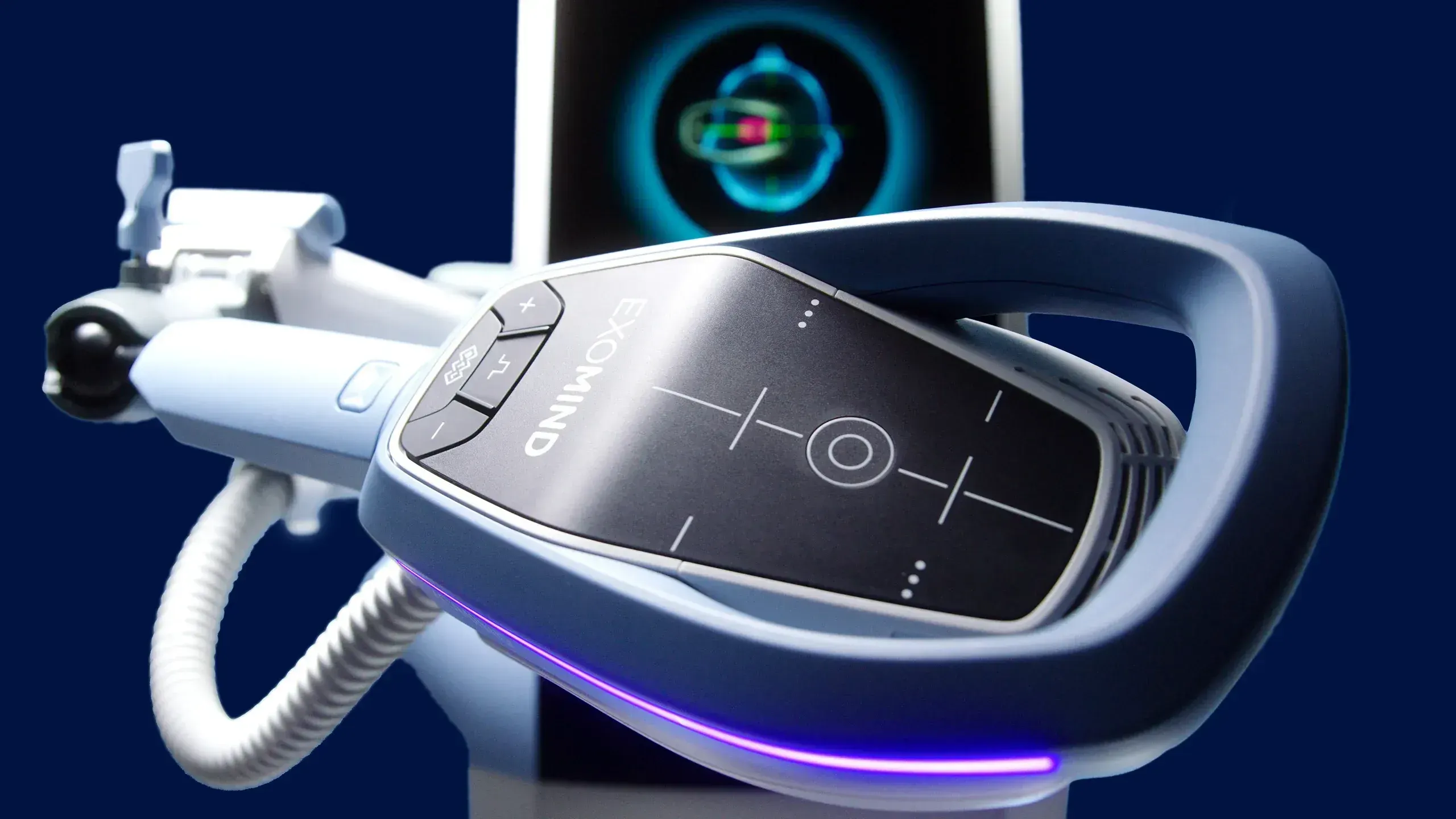
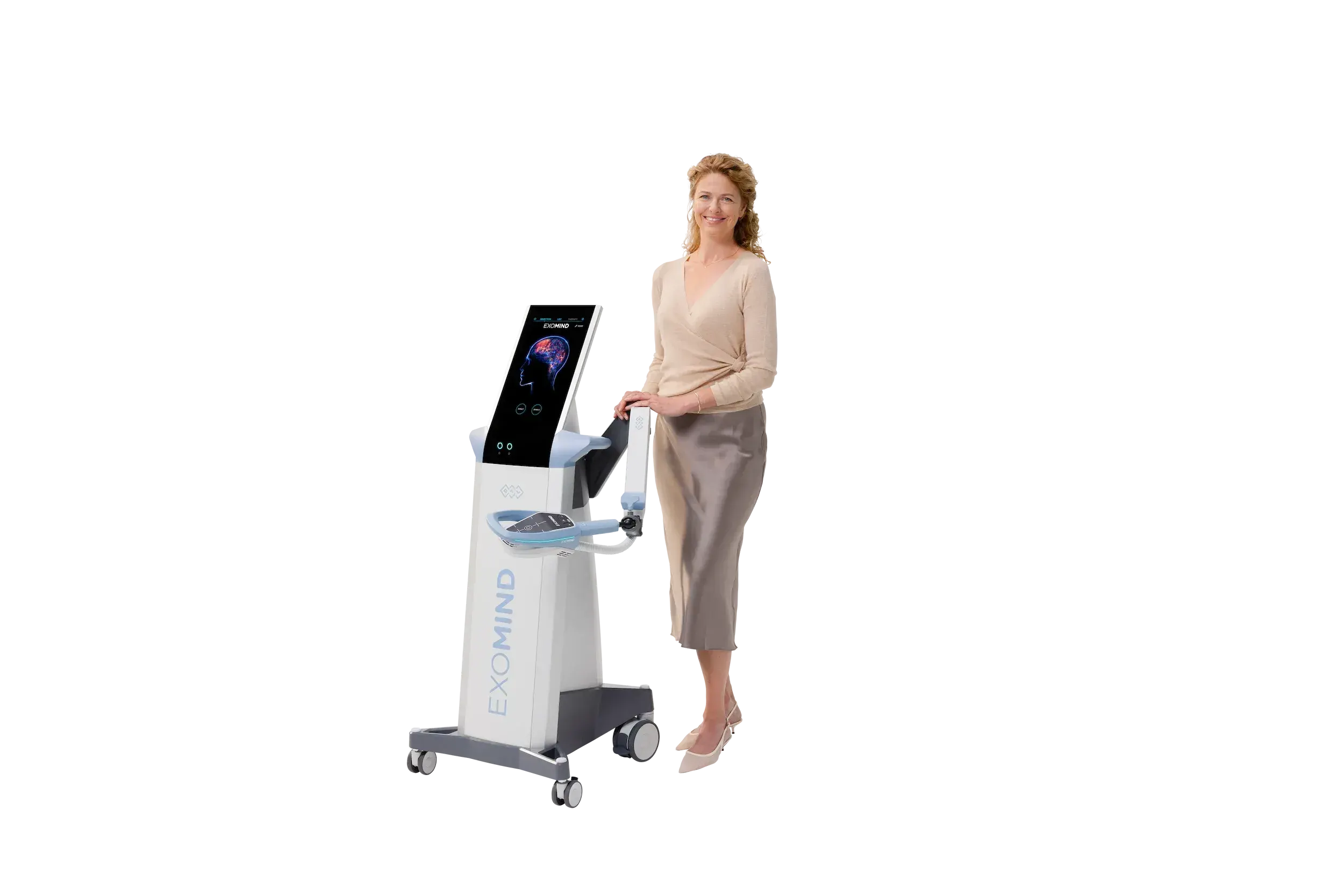
Dr. Barnett identifies your motor threshold and maps the precise treatment target on the prefrontal cortex using the Exomind system.
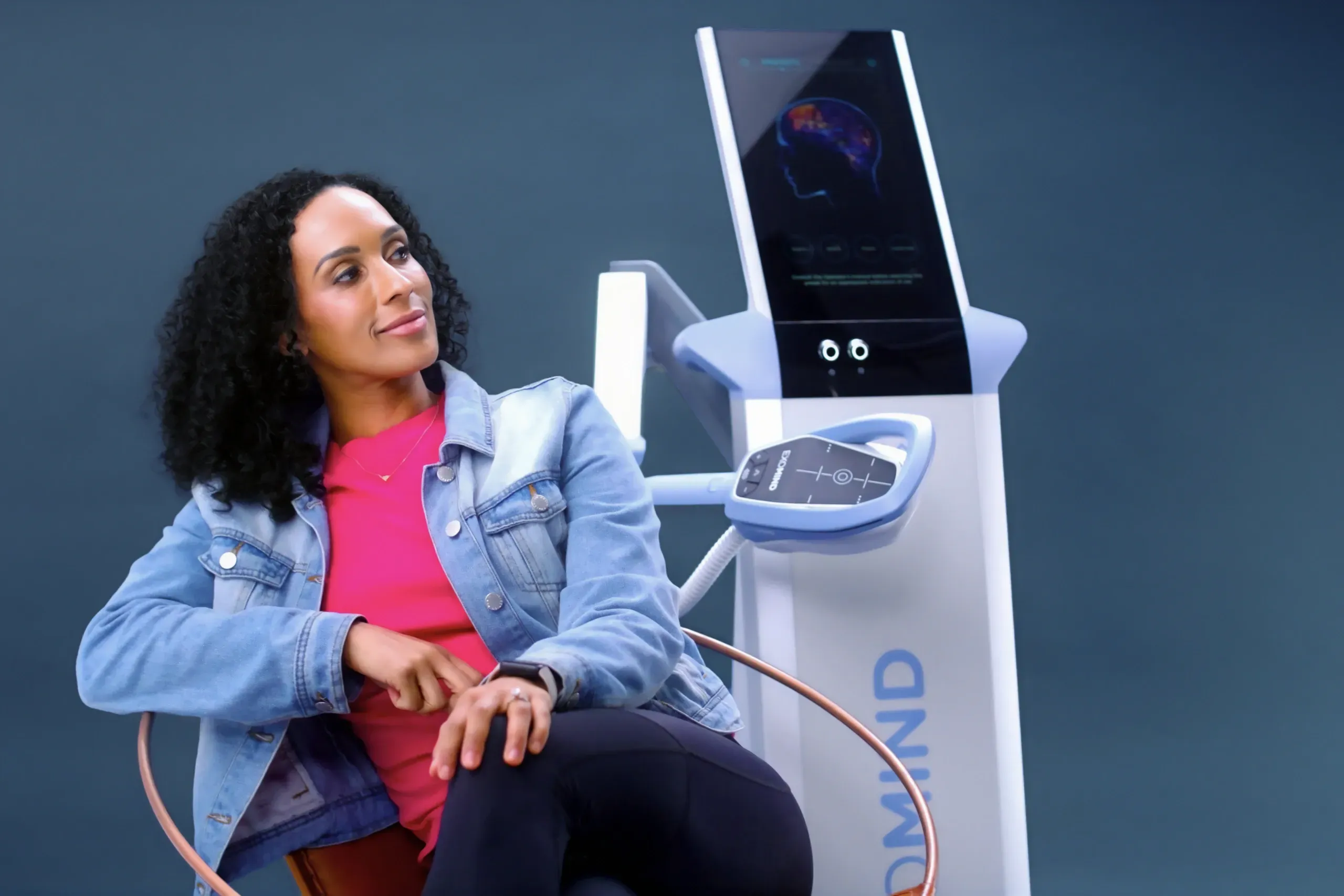
FDA-cleared, non-invasive brain stimulation for lasting relief from depression, anxiety, OCD, and PTSD.
Understanding Treatment-Resistant Conditions
Millions of Americans struggle with depression, anxiety, OCD, or PTSD that does not respond adequately to traditional medications. Antidepressants may take weeks to show effects, carry persistent side effects like weight gain, sexual dysfunction, or emotional blunting, and still fail to provide meaningful relief for up to one-third of patients. This cycle of trying medication after medication can feel exhausting and hopeless, leaving you wondering whether lasting improvement is even possible.
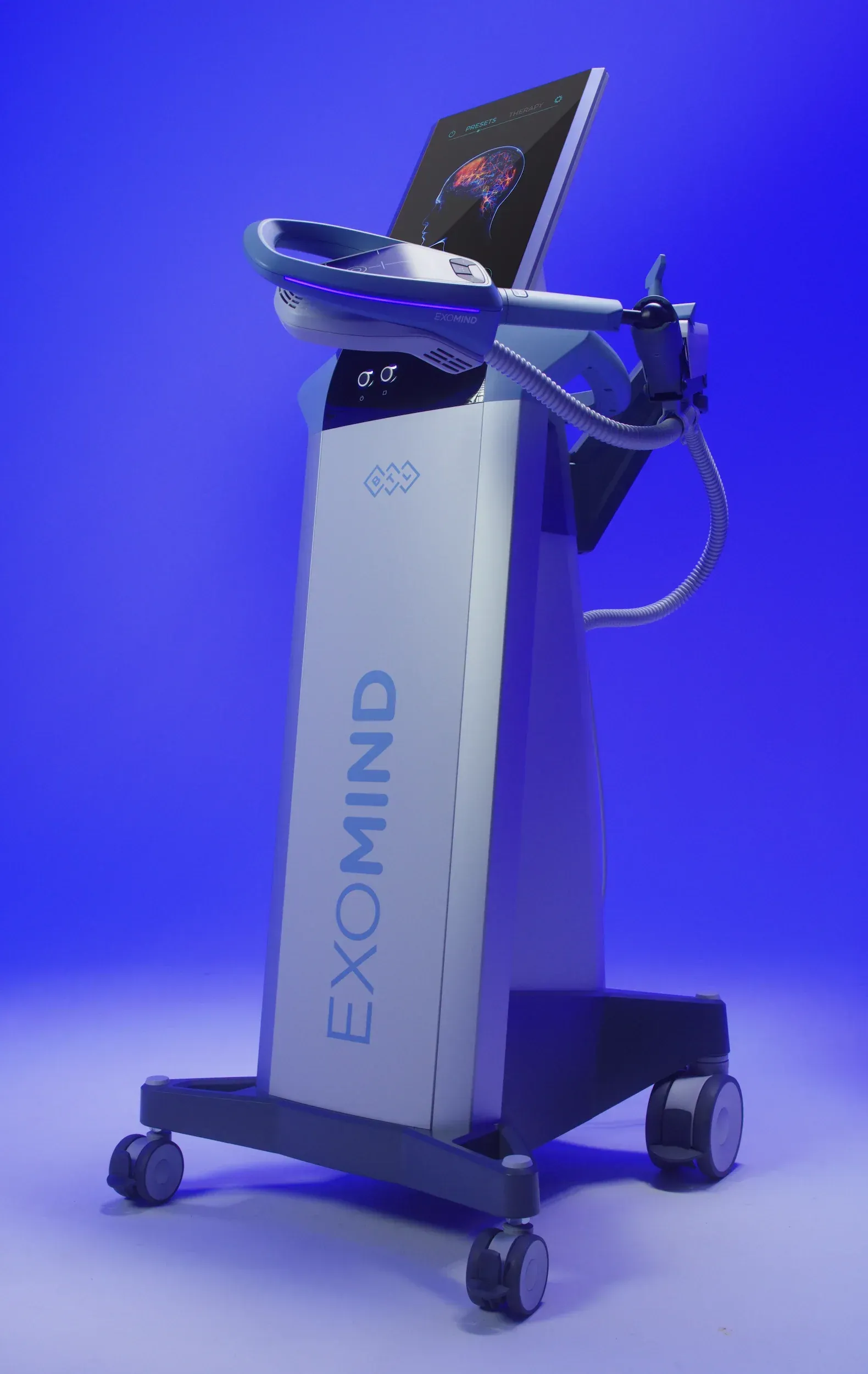
Exomind TMS Therapy works differently by delivering targeted magnetic pulses directly to the brain regions responsible for mood regulation and emotional processing. Unlike medications that circulate throughout the entire body, TMS stimulates precise neural circuits to restore healthy brain activity patterns. Sessions require no anesthesia and no recovery time, meaning you can drive yourself to and from appointments and return to your daily routine immediately. TMS offers a fundamentally new approach for patients who need it most.
The Science of Magnetic Neuromodulation
Exomind TMS (Transcranial Magnetic Stimulation) Therapy is an FDA-cleared, non-invasive brain stimulation treatment that uses focused magnetic pulses to activate underactive neural circuits associated with depression, anxiety, OCD, and PTSD. The Exomind system represents an advanced approach to TMS delivery, using precision targeting to stimulate the dorsolateral prefrontal cortex (DLPFC) and other regions implicated in mood disorders.
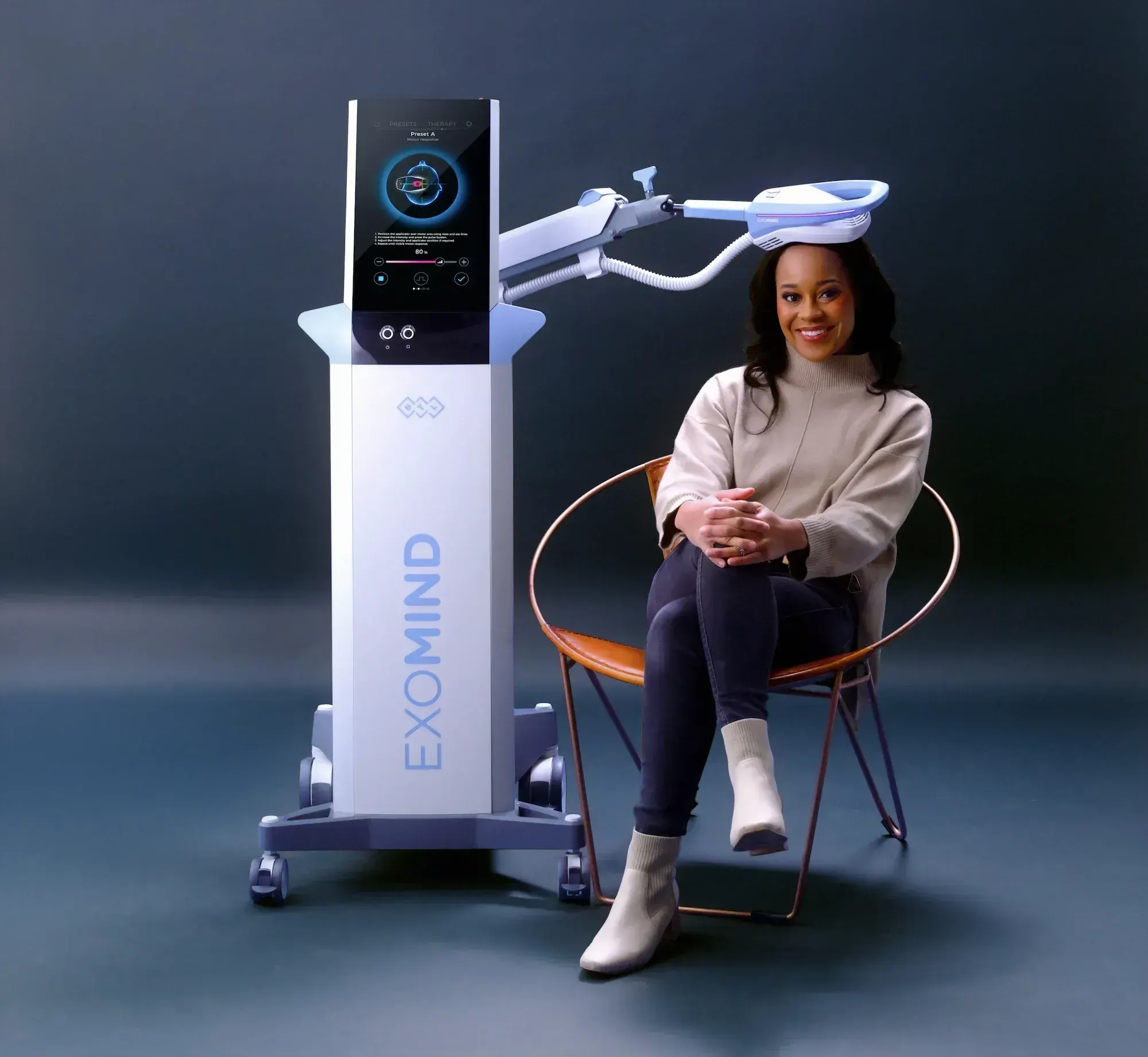
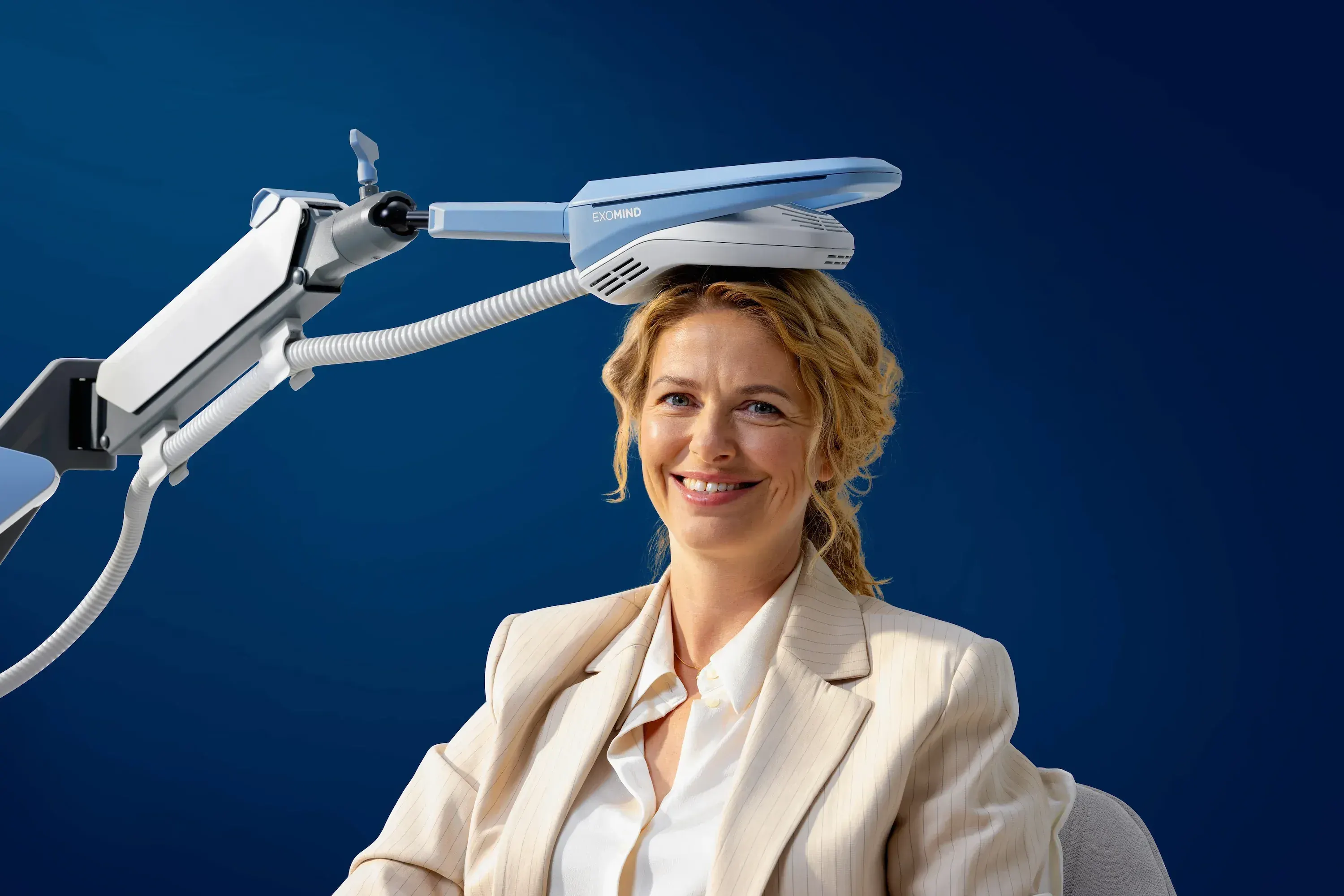
During each session, an electromagnetic coil placed against the scalp generates brief magnetic pulses that pass painlessly through the skull and induce small electrical currents in targeted brain tissue. This process, known as neuromodulation, encourages neuroplasticity and helps restore normal signaling patterns in circuits that have become dysregulated. Clinical research demonstrates that repetitive TMS produces sustained improvements in depressive symptoms, with response rates of 60-80% and remission rates of approximately 30% in treatment-resistant populations (PMID: 28279961).
Exomind is built on transcranial magnetic stimulation, the same FDA-cleared technology used in clinical depression treatment, packaged as a streamlined protocol with shorter visits. If you want the full picture of how magnetic stimulation works and what the standard clinical course involves, our TMS therapy page covers it in depth.
Non-Invasive, Drug-Free Relief
No surgery, no anesthesia, and no sedation required for treatment
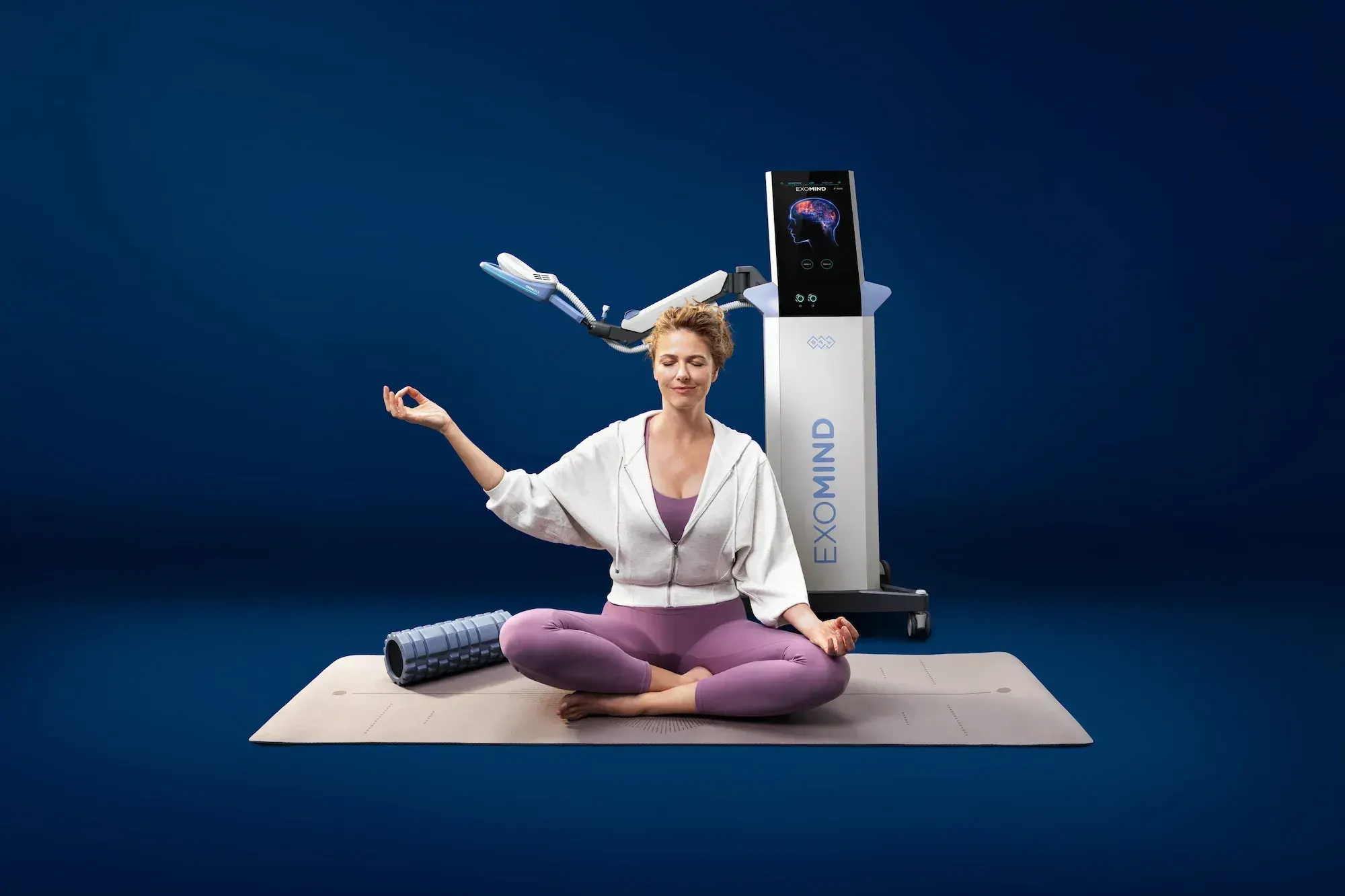
No systemic medications means no weight gain, sexual dysfunction, or GI side effects
Return to work, driving, and daily activities immediately after each session
Cleared by the FDA for major depressive disorder and obsessive-compulsive disorder
Clinical studies show sustained improvement for 6-12 months or longer after treatment
Compare Your Options
| Treatment | Mechanism | Time | Results | Duration | Downtime | Best For |
|---|---|---|---|---|---|---|
| Traditional TMS Therapy | Magnetic brain stimulation | 20-40 minutes/session, 36 sessions | 2-4 weeks | 12+ months for most responders | None | Treatment-resistant depression, insurance-covered care |
| Exomind TMS Therapy | Magnetic brain stimulation | 25 minutes/session | 3-5 weeks | 6-12+ months | None | Treatment-resistant depression, OCD |
| Spravato (Esketamine) | NMDA receptor modulation | About 2.5 hours including monitoring | Hours to days | Ongoing with maintenance sessions | Rest of the day (no driving) | Treatment-resistant depression, insurance-covered care |
| IV Ketamine Therapy | NMDA receptor modulation | 40-60 minutes infusion | Hours to days | 2-4 weeks per infusion | 2-4 hours post-infusion | Acute depression, suicidal ideation, chronic pain |
| Traditional Antidepressants | Serotonin/norepinephrine reuptake | Daily oral medication | 4-8 weeks | Ongoing (while taking) | None | Mild to moderate depression, first-line treatment |
| Electroconvulsive Therapy | Electrical seizure induction | 5-10 minutes under anesthesia | 1-3 weeks | Variable, may need maintenance | Hours to days; cognitive effects | Severe, refractory depression |
Finding Your Best Path Forward
Exomind TMS Therapy is ideal for adults who have not achieved adequate relief from traditional treatments for depression, anxiety, OCD, or PTSD. During your consultation, Dr. Barnett will evaluate your treatment history, current symptoms, and overall health to create a personalized TMS protocol.
Dr. Barnett conducts a thorough medical history review and neurological screening before initiating any TMS treatment to ensure your safety and candidacy.
Dr. Barnett identifies your motor threshold and maps the precise treatment target on the prefrontal cortex using the Exomind system.
The TMS coil is positioned against your scalp at the mapped location. You remain awake and seated comfortably throughout.
Magnetic pulses are delivered in controlled sequences over 18-25 minutes. You may feel a tapping sensation on your scalp.
The session ends and you can immediately drive yourself home or return to work with no restrictions.
What to Know
The most common side effects of Exomind TMS Therapy include mild scalp discomfort or tenderness at the treatment site and a tapping or clicking sensation during stimulation. These effects are typically mild and diminish after the first few sessions as you acclimate to treatment.
Some patients experience transient headaches following sessions, which usually respond to over-the-counter analgesics. Less common effects include lightheadedness or facial tingling, which resolve shortly after treatment.
The most serious but rare risk associated with TMS is seizure, occurring in approximately 0.01% of treatments. The risk is comparable to that of most antidepressant medications. TMS has been FDA-cleared since 2008 for major depressive disorder and has an established safety profile supported by over a decade of clinical use.
Dr. Barnett's background in anesthesiology and her thorough pre-treatment neurological screening help minimize risks and ensure the highest safety standards for every patient at PKI.
Exomind TMS Therapy in Destin, FL costs $500 a session out of pocket with package pricing available. Traditional TMS can cost anywhere from $8000 - $13000 for a full treatment course of 18 - 36 sessions, with many insurance plans covering the cost. Several factors influence your total investment, including the number of sessions prescribed, the specific protocol used, and whether you are treating one or multiple conditions. During your consultation, Dr. Barnett will provide a personalized cost estimate based on your treatment plan.
Exomind sessions are offered as a self-pay wellness protocol, with transparent per-session and package pricing you receive at your consultation. If you are seeking insurance-covered treatment for diagnosed depression, our traditional TMS therapy in Destin is covered by most major plans, including Medicare, Tricare, Blue Cross Blue Shield, Aetna, and UnitedHealthcare, and our team will verify your benefits before treatment begins.
Physicians Ketamine Institute of Destin works with patients to make treatment accessible. We accept most major insurance plans for qualifying diagnoses and can discuss self-pay options for patients without coverage. Contact our office at (850) 598-0099 to discuss your specific financial situation.
Destin's Trusted Neuromodulation Provider
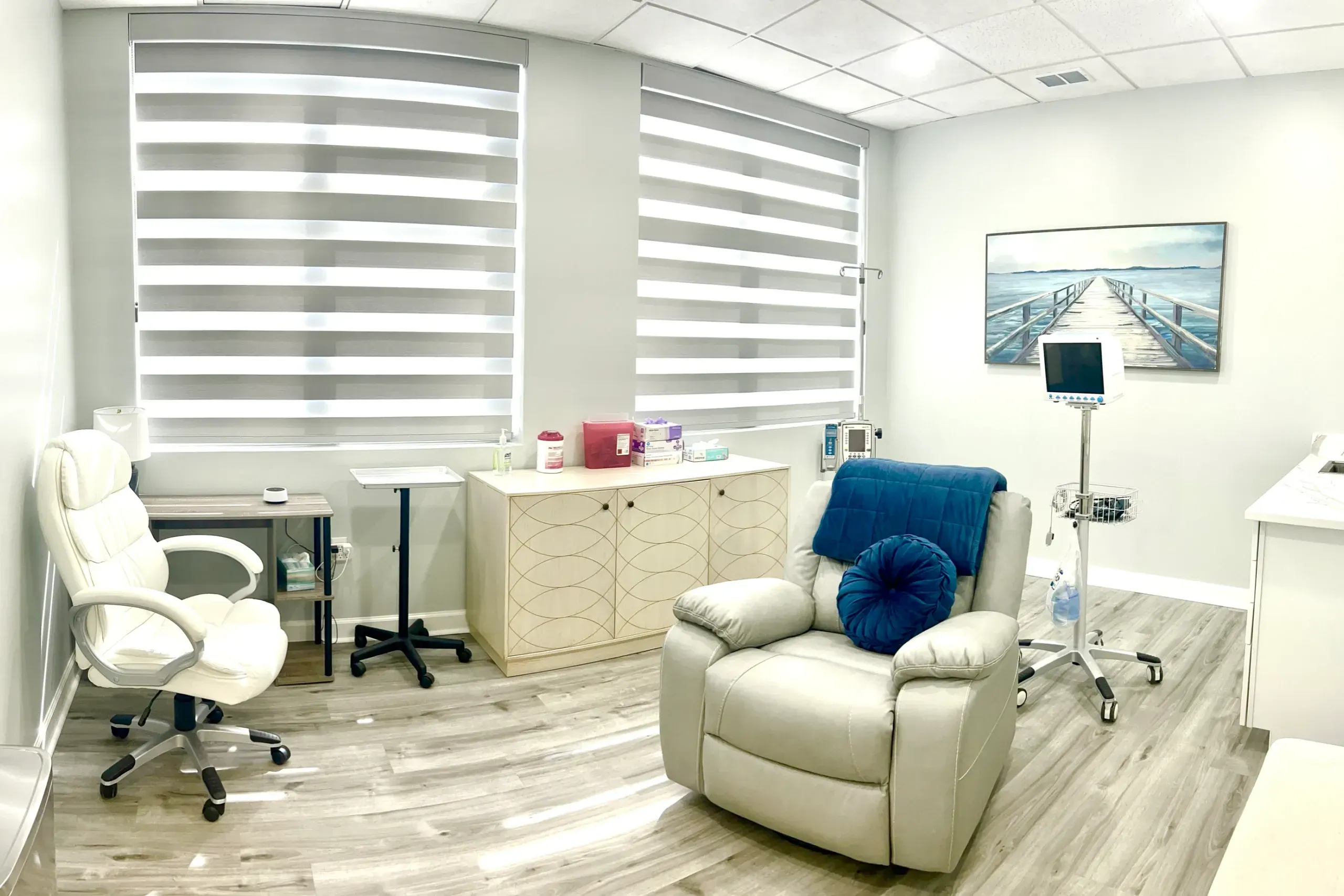
Board-certified anesthesiologist with advanced neuromodulation training supervises every session
Only Gulf Coast clinic combining ketamine and TMS for comprehensive treatment
Air Force combat veteran who understands military-related PTSD, depression, and anxiety
Treatment plans tailored to your diagnosis, symptom severity, and response patterns
Your Questions Answered
Exomind TMS (Transcranial Magnetic Stimulation) is an FDA-cleared, non-invasive treatment that uses focused magnetic pulses to stimulate specific brain regions involved in mood regulation. It is used to treat depression, anxiety, OCD, and PTSD without medication or surgery.
TMS delivers brief magnetic pulses through a coil placed against your scalp. These pulses generate small electrical currents in targeted brain tissue, activating underactive neural circuits and promoting healthier brain signaling patterns over time. The process is called neuromodulation.
TMS is FDA-cleared for major depressive disorder and obsessive-compulsive disorder. It is also used off-label with strong clinical evidence for generalized anxiety disorder and post-traumatic stress disorder. Dr. Barnett will evaluate whether TMS is appropriate for your specific diagnosis.
A standard TMS course typically involves 6-30 sessions delivered over 3-5 weeks, with sessions 5 days per week. Some patients benefit from accelerated protocols. Dr. Barnett will recommend the optimal number of sessions based on your condition and response.
Most patients describe a tapping or clicking sensation on the scalp during treatment. Some experience mild scalp tenderness during the first few sessions, which typically diminishes as you acclimate. No anesthesia or sedation is required, and most patients find the procedure very tolerable.
TMS and ketamine work through different mechanisms and can complement each other. TMS provides gradual, sustained improvement over weeks through repeated sessions, while ketamine can produce rapid relief within hours. PKI is uniquely positioned to offer both treatments and help determine which approach, or combination, is right for you.
They share the same FDA-cleared magnetic stimulation technology. Traditional TMS is the full clinical course for diagnosed depression, about 36 sessions, and is covered by most insurance plans. Exomind is our express, wellness-focused protocol with shorter visits, offered outside the insurance pathway. Your consultation determines which fits your situation, and we offer both.
No. Exomind is a self-pay wellness protocol with transparent pricing. If you need insurance-covered treatment for diagnosed depression, ask us about traditional TMS therapy, which most major plans cover.