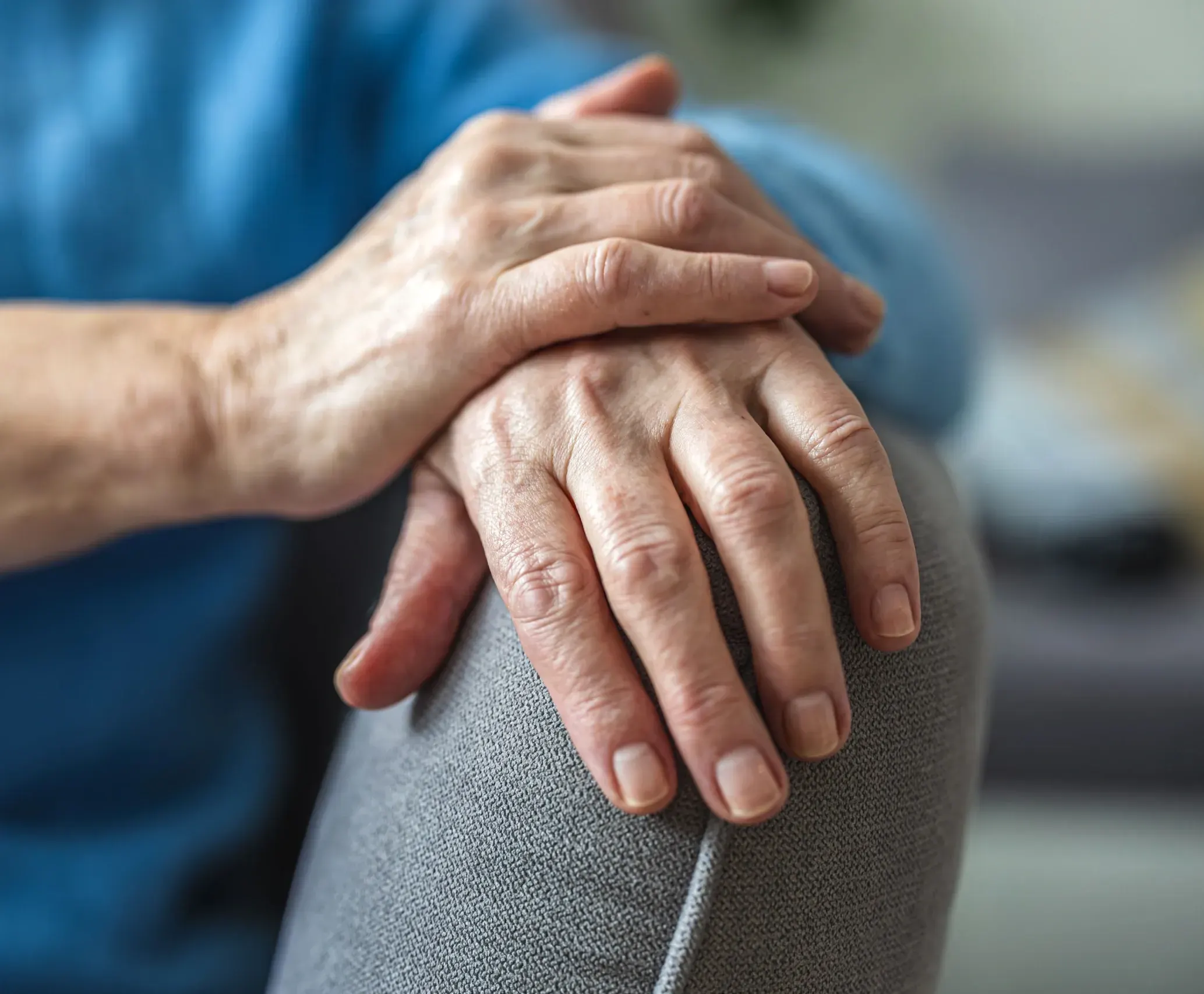
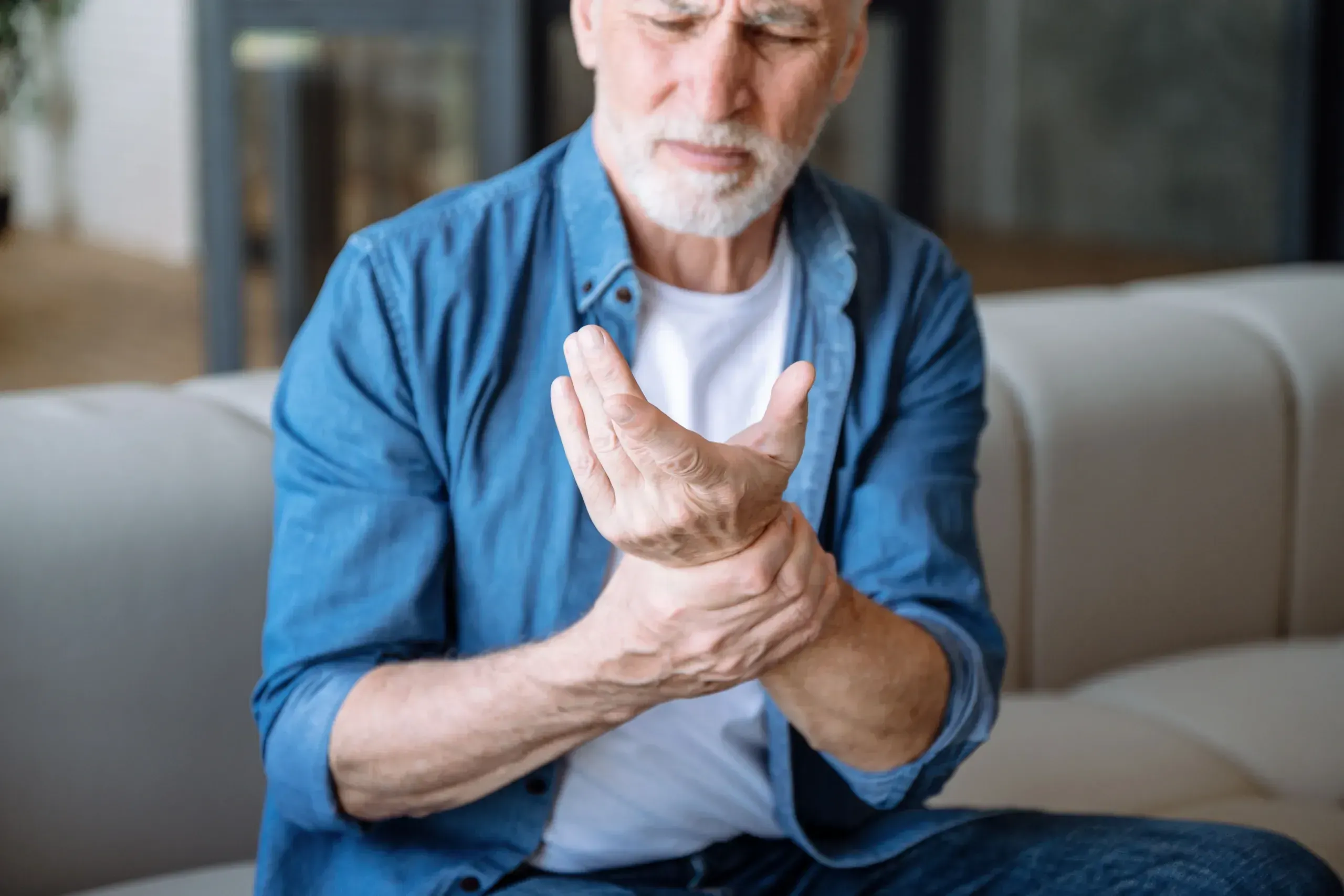
Patient finding relief from neuropathic pain at Physicians Ketamine Institute of Destin

Neuropathic Pain Treatment in Destin, FL

Reclaim Your Life from Nerve Pain

Common In:Adults 30+
Primary Causes:Diabetes, Injury, Autoimmune
Treatment Time:40-60 minutes
Results:Within hours to days
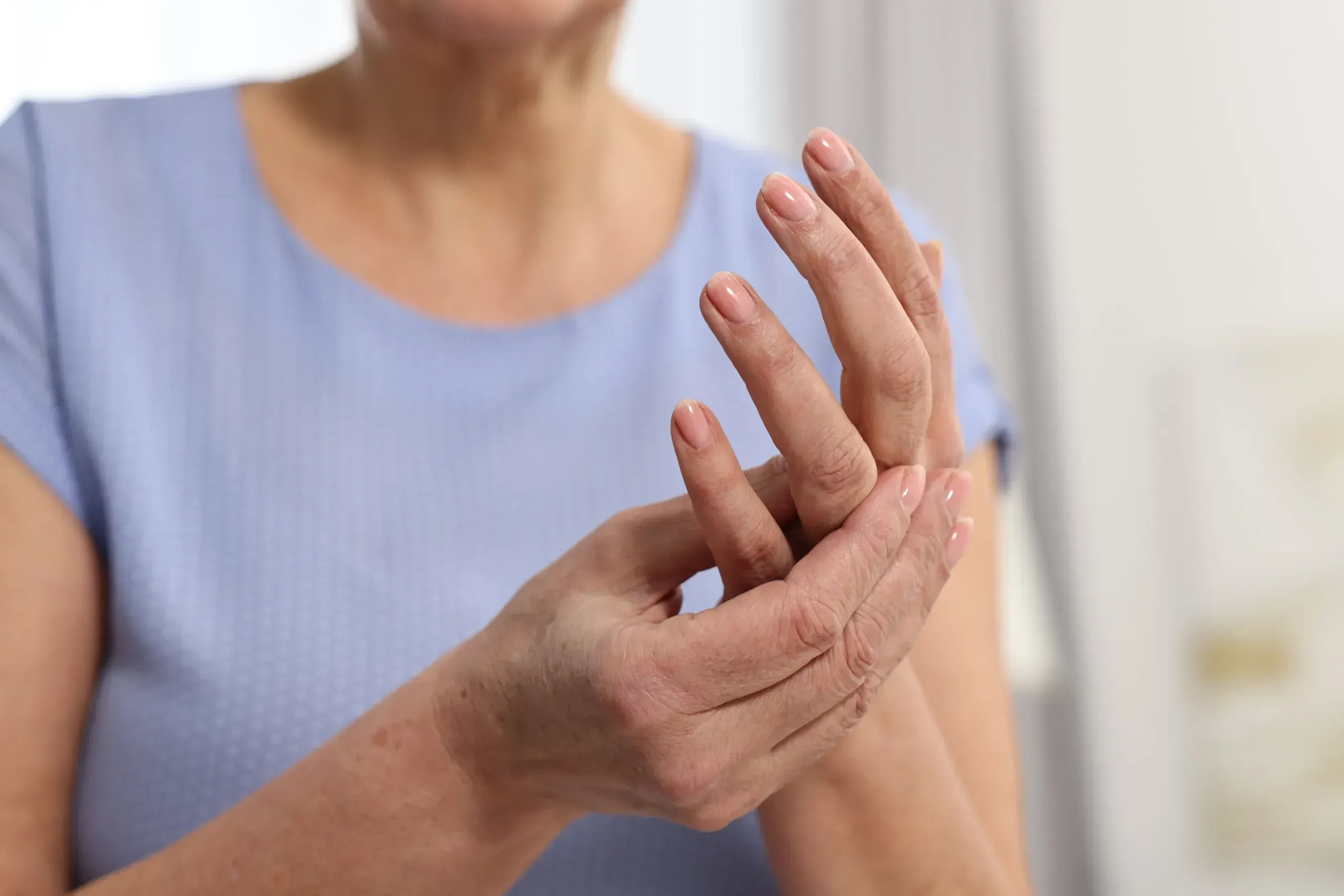
Understanding neuropathic pain symptoms at Physicians Ketamine Institute of Destin

What Is Neuropathic Pain?

Recognizing the Signs

Neuropathic pain is a chronic condition caused by damage or dysfunction within the nervous system itself. Unlike nociceptive pain that signals tissue injury, neuropathic pain arises when nerve fibers misfire or send incorrect pain signals to the brain, often persisting long after the original injury has healed.

When you experience burning, tingling, or shooting sensations that seem to come from nowhere, you may be living with neuropathic pain. Many patients describe the feeling as electric shocks, pins and needles, or a persistent numbness accompanied by sudden, intense pain episodes.

Living with neuropathic pain can be isolating. The invisible nature of nerve pain means others may not understand why daily tasks become overwhelming, sleep becomes elusive, and the activities you once enjoyed now feel impossible.

Illustration of nerve damage pathways contributing to neuropathic pain at Physicians Ketamine Institute Destin

Why Neuropathic Pain Happens

Understanding the Root Causes

Neuropathic pain develops when peripheral or central nerve fibers sustain damage from disease, injury, or metabolic dysfunction. Approximately 7-10% of the general population experiences some form of neuropathic pain, with diabetic neuropathy alone affecting up to 50% of individuals with long-standing diabetes.

When nerves are damaged, they undergo a process called peripheral sensitization, where injured nerve fibers develop abnormally low activation thresholds. This means signals that would not normally cause pain, such as light touch or temperature changes, begin triggering intense pain responses through a phenomenon known as allodynia.

Central sensitization compounds the problem at the spinal cord and brain level. Repeated pain signaling causes NMDA receptors in the spinal dorsal horn to become hyperactive, amplifying pain signals and creating a self-sustaining cycle of chronic pain that persists even after the original nerve injury has stabilized.


Diagram showing central sensitization and NMDA receptor pathways at Physicians Ketamine Institute Destin

Central Sensitization & Pain Amplification

How Your Nervous System Changes Over Time

Central sensitization is a neuroplastic change in the central nervous system that amplifies pain processing. The NMDA (N-methyl-D-aspartate) receptor plays a critical role in this process, acting as a molecular switch that, once activated by persistent pain signals, dramatically increases the excitability of spinal cord neurons responsible for transmitting pain.

Research shows that chronic neuropathic pain physically remodels neural circuits within 3-6 months of onset. Glial cells in the spinal cord become activated, releasing pro-inflammatory cytokines that sustain the pain state independently of the original nerve damage. This explains why conventional pain medications often fail to provide adequate relief.

Ketamine works by blocking these overactive NMDA receptors, effectively interrupting the central sensitization cycle. This mechanism is why ketamine infusion therapy has emerged as a promising treatment for neuropathic pain that has not responded to traditional approaches, offering a way to reset the pain processing system.

Lifestyle and medical factors affecting neuropathic pain at Physicians Ketamine Institute Destin

What Contributes to Neuropathic Pain?

Identifying Your Triggers

01

Diabetes & Metabolic Disorders

Elevated blood sugar damages small nerve fibers over time, with diabetic peripheral neuropathy being the most common cause of neuropathic pain worldwide.

02

Physical Injury or Surgery

Nerve compression, surgical trauma, or repetitive strain injuries can damage nerve pathways, leading to chronic post-surgical or post-traumatic neuropathy.

03

Autoimmune Conditions

Diseases like multiple sclerosis, lupus, and Guillain-Barre syndrome cause the immune system to attack nerve tissue, resulting in progressive nerve damage.

04

Infections & Viral Damage

Shingles (postherpetic neuralgia), HIV, and other viral infections can directly damage nerve fibers, causing lasting pain that persists after the infection resolves.

05

Spinal Conditions

Herniated discs, spinal stenosis, and degenerative disc disease compress nerve roots, triggering radiating neuropathic pain through affected dermatomes.

06

Medication Side Effects

Certain chemotherapy drugs, antibiotics, and antiretroviral medications carry known neurotoxic effects that can cause treatment-induced peripheral neuropathy.

Physicians Ketamine Institute of Destin clinic interior in Destin Florida

Why Choose Physicians Ketamine Institute

Expert Care in Destin

  • Board-Certified Physician
  • Personalized Protocols
  • NMDA-Targeted Treatment
  • Comprehensive Monitoring

Treatment Options for Neuropathic Pain

Finding Your Best Approach

Treatment Best For Session Time Results Timeline Maintenance
Ketamine for Chronic Pain Treatment-resistant nerve pain 4 hours Hours to days Boosters as needed
Sphenopalatine Ganglion Blocks Facial and head nerve pain 15-30 min Within days Every 6-12 months
Patient concerned about nerve pain symptoms at Physicians Ketamine Institute Destin

You May Be Experiencing Neuropathic Pain If...

Recognizing When to Seek Help

  • Burning Sensations
  • Electric Shock Pain
  • Numbness with Pain
  • Sleep Disruption
  • Medication Resistance
  • Temperature Sensitivity

Frequently Asked Questions

About Neuropathic Pain

01 How does ketamine treat neuropathic pain?

Ketamine blocks NMDA receptors in the central nervous system that drive chronic pain amplification. By interrupting this central sensitization cycle, ketamine can provide significant relief for neuropathic pain that has not responded to conventional medications.

02 What types of nerve pain does ketamine help?

Ketamine infusions have shown effectiveness for diabetic neuropathy, postherpetic neuralgia, CRPS, post-surgical neuropathy, and other forms of treatment-resistant neuropathic pain. Dr. Barnett evaluates your specific condition to determine if ketamine therapy is appropriate.

03 How many ketamine infusions are needed for neuropathic pain?

Most patients undergo an initial series of infusions, typically over one to two weeks. Many patients experience meaningful relief within the first few sessions, with maintenance boosters scheduled based on your individual response and duration of relief.

04 How long does relief from ketamine infusions last?

Pain relief duration varies by individual. Many patients report weeks to months of significant improvement after a treatment series. Periodic booster infusions can help maintain and extend the benefits over time.

05 Is there downtime after a ketamine infusion for pain?

You will need someone to drive you home after your infusion, and we recommend resting for the remainder of the day. Most patients return to normal activities the following day with no lasting side effects from the session.

06 Can neuropathic pain get worse if left untreated?

Yes, untreated neuropathic pain can worsen through progressive central sensitization, where the nervous system becomes increasingly hypersensitive over time. Early intervention helps prevent this escalation and may improve long-term treatment outcomes.

07 Can ketamine be combined with other treatments for nerve pain?

In many cases, ketamine infusions can complement other therapies. At Physicians Ketamine Institute of Destin, Dr. Barnett may recommend combining ketamine with approaches like NAD IV Therapy or SPG Blocks for a comprehensive pain management strategy.

Location1241 Airport Rd, Suite A
Destin, FL, 32541

Schedule Your Consultation

Scientific References