
Consultation
Dr. Barnett reviews your headache history, prior treatments, and performs a focused examination to confirm SPG block candidacy.
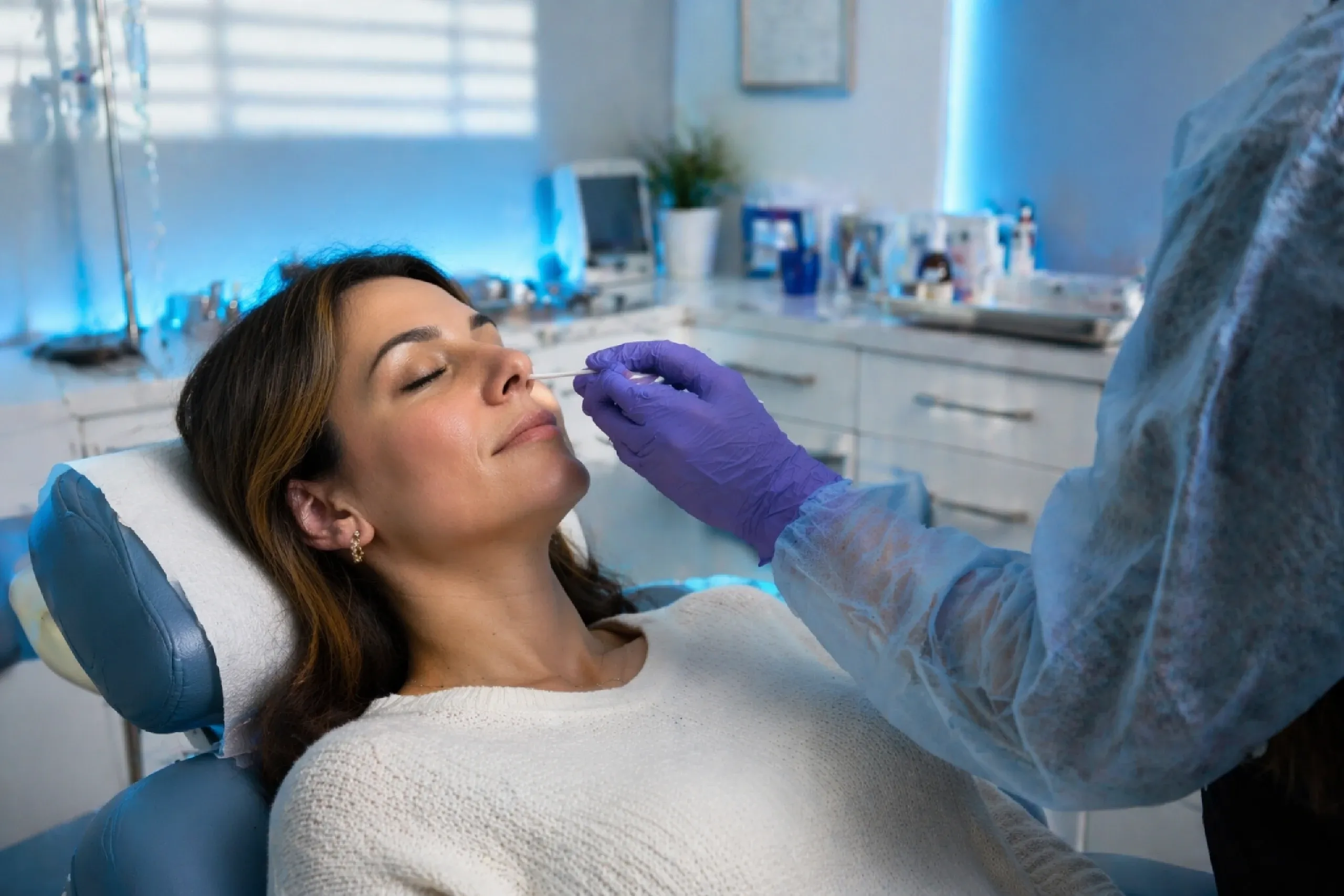
Minimally invasive intranasal nerve block providing targeted relief for chronic headaches and facial pain.

Understanding the Sphenopalatine Ganglion
Living with chronic migraines, cluster headaches, or trigeminal neuralgia means more than just pain. It means canceled plans, lost workdays, and the constant anxiety of wondering when the next episode will strike. Many patients have tried multiple medications only to find partial relief or intolerable side effects. The sphenopalatine ganglion, a nerve cluster located behind the nose, plays a central role in transmitting pain signals involved in headaches and facial pain syndromes. When this ganglion becomes overactive, it can trigger or perpetuate debilitating pain cycles.
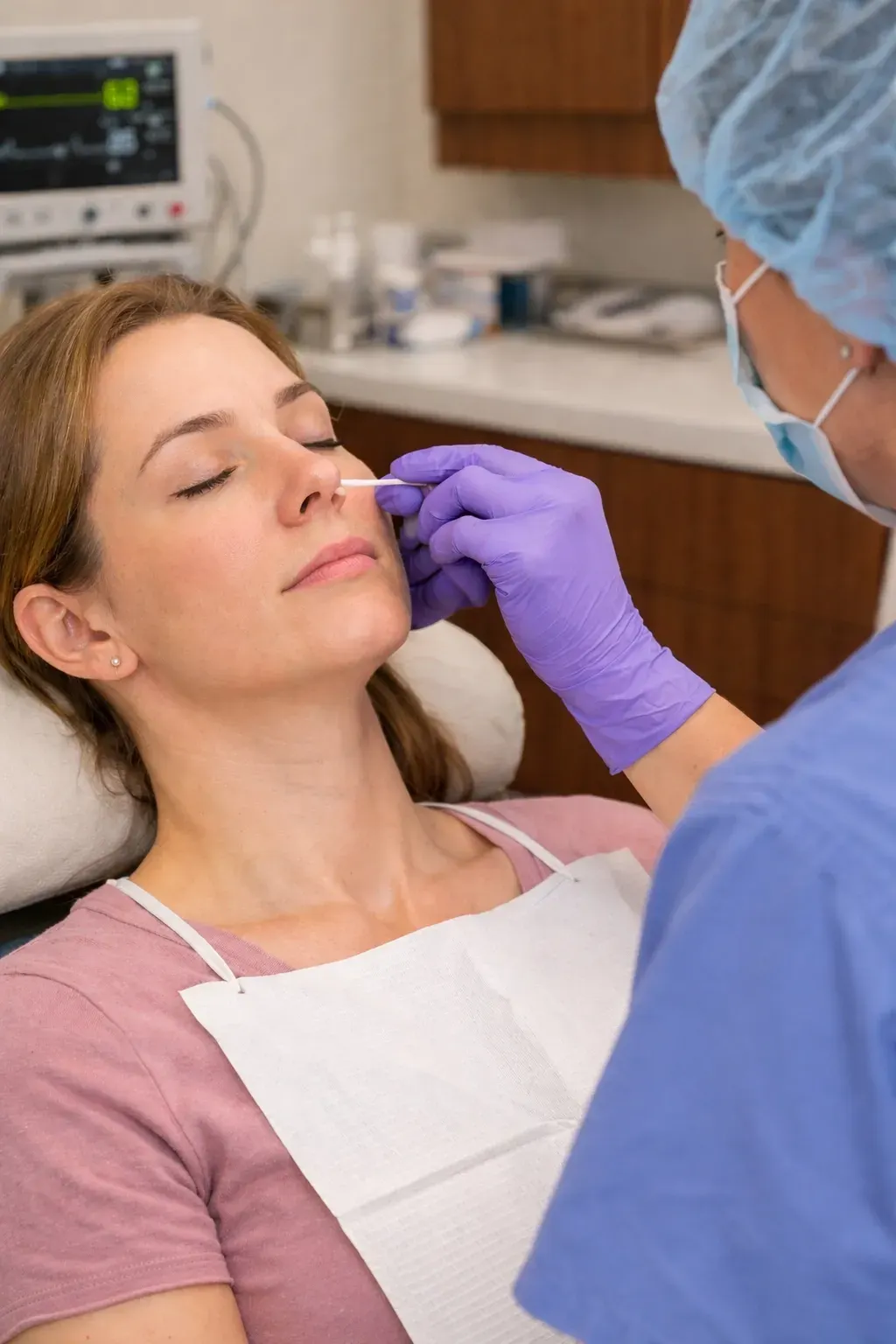
Sphenopalatine ganglion blocks work by delivering a local anesthetic directly to this nerve cluster through a simple intranasal approach. Dr. Barnett uses a small, flexible catheter inserted through the nostril to apply medication to the ganglion, interrupting pain signal transmission without surgery or sedation. The procedure takes just minutes, requires no downtime, and many patients experience significant relief within the same appointment. By calming the overactive nerve signals at their source, SPG blocks can break the pain cycle and restore your quality of life.
The Science of Ganglion Neuromodulation
A sphenopalatine ganglion (SPG) block is a minimally invasive nerve block procedure that targets the sphenopalatine ganglion, a collection of nerve cells (ganglion) located in the pterygopalatine fossa behind the nasal cavity. This ganglion is a major relay point for sensory, sympathetic, and parasympathetic nerve fibers involved in headache and facial pain pathways. By applying a local anesthetic directly to these nerves, the procedure interrupts aberrant pain signaling without affecting normal sensation or motor function.
The intranasal approach used at Physicians Ketamine Institute involves inserting a thin, flexible catheter through the nostril to deliver lidocaine or bupivacaine to the ganglion. Unlike traditional percutaneous approaches that require needles through the cheek, this transnasal technique is virtually painless and requires no imaging guidance. Clinical research has demonstrated that SPG blocks can reduce migraine frequency by 50% or more in treatment-resistant patients, with a systematic review finding significant pain reduction in multiple headache subtypes.
Fast, Non-Invasive Pain Relief
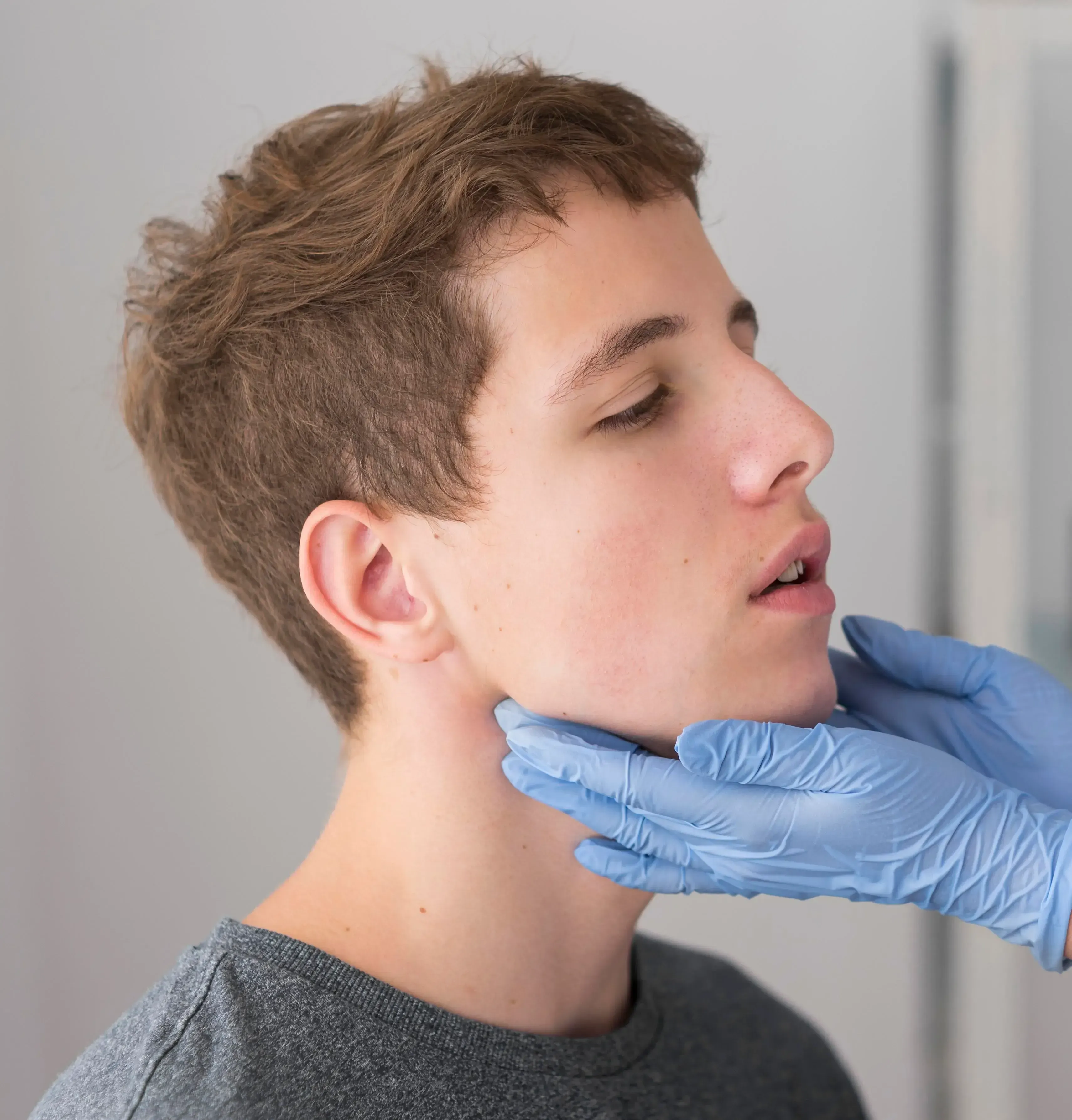
Simple intranasal approach with no needles through the skin or sedation required
Many patients experience significant pain reduction within minutes of treatment
Return to normal activities immediately after your appointment
Reduces reliance on daily medications and their associated side effects
Can be safely performed as a series for cumulative, longer-lasting relief
Compare Your Options
| Treatment | Mechanism | Time | Results | Duration | Downtime | Best For |
|---|---|---|---|---|---|---|
| SPG Blocks | Intranasal nerve block | 15-30 minutes | Minutes to hours | Weeks to months | None | Chronic migraines, facial pain |
| Migraine Medications | Systemic pharmacotherapy | Ongoing daily | Variable | While taking | N/A (side effects) | Mild to moderate migraines |
| Nerve Blocks (Occipital) | Injection at nerve site | 15-30 minutes | Hours to days | Weeks to months | Minimal | Occipital neuralgia, tension headaches |
| Ketamine for Chronic Pain | NMDA receptor modulation | 40-60 minutes IV | Hours to days | Weeks to months | 2-4 hours | Treatment-resistant pain syndromes |

Personalized Candidacy Assessment
SPG blocks are an excellent option for patients suffering from chronic headache and facial pain conditions, particularly when conventional treatments have not provided adequate relief. Dr. Barnett evaluates each patient individually to determine whether SPG block therapy is the right approach.
A thorough consultation with Dr. Barnett will determine the best treatment approach for your specific pain condition, which may include SPG blocks alone or in combination with other therapies available at our clinic.
Dr. Barnett reviews your headache history, prior treatments, and performs a focused examination to confirm SPG block candidacy.
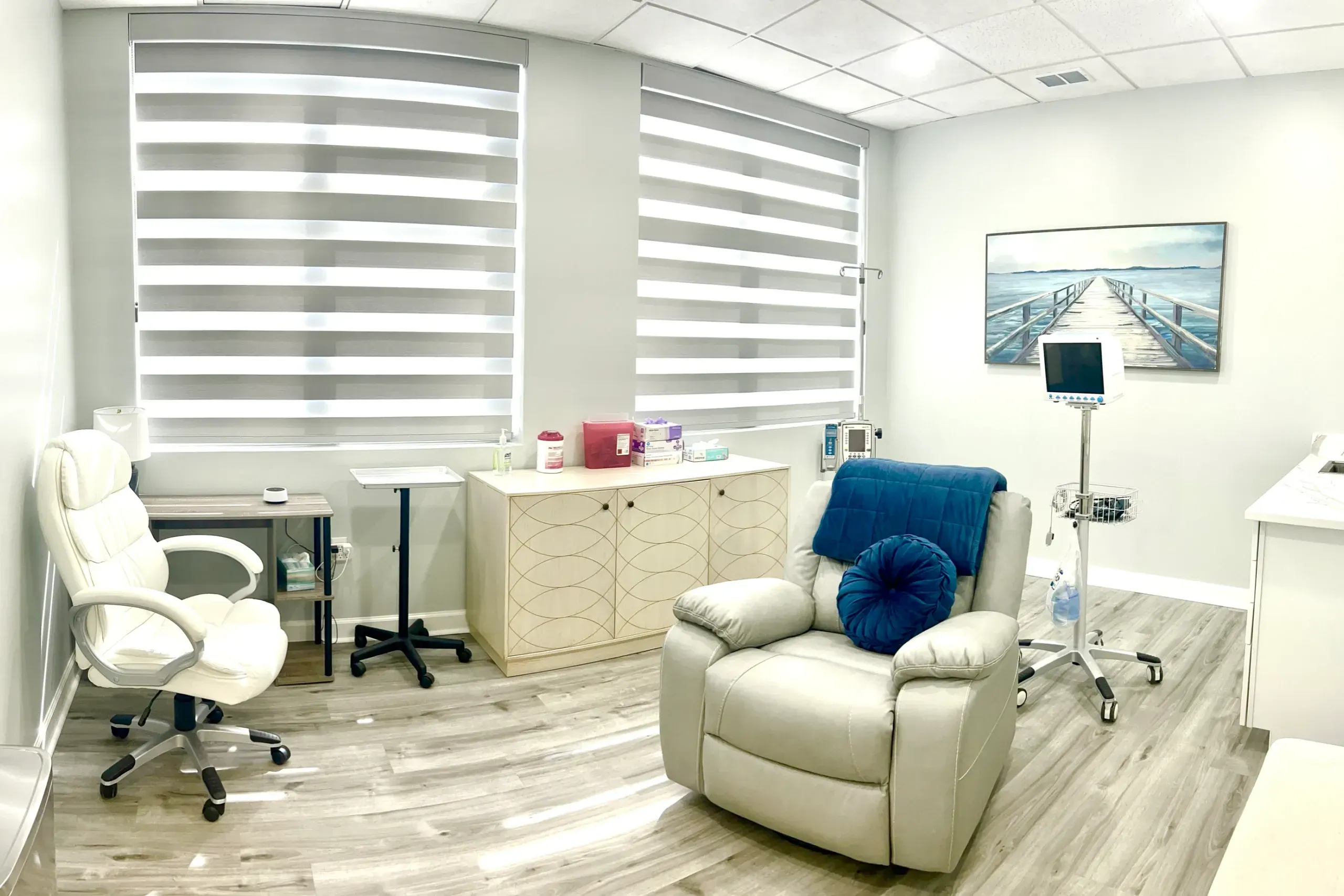
You recline comfortably while Dr. Barnett applies a topical anesthetic to the nasal passages for added comfort.
Dr. Barnett gently inserts a thin, flexible catheter through the nostril to deliver local anesthetic directly to the sphenopalatine ganglion.
You rest for 10-15 minutes while the anesthetic takes effect. Dr. Barnett monitors your response and comfort.
You receive personalized aftercare instructions and a recommended treatment schedule for optimal, long-lasting results.

What to Know
SPG blocks are considered a very safe, well-tolerated procedure when performed by an experienced physician. Dr. Barnett's anesthesiology training ensures the highest standard of safety for every treatment.
Serious complications are exceptionally rare with the intranasal approach. Unlike percutaneous techniques involving needle insertion through the cheek, the transnasal method avoids major blood vessels and deep tissue structures. Dr. Barnett discusses all potential risks during your consultation and monitors you throughout the procedure.
SPG block pricing at Physicians Ketamine Institute reflects the physician-administered, individualized nature of each treatment. During your consultation, Dr. Barnett will recommend a treatment plan tailored to your specific condition and goals.
Contact our office at (850) 598-0099 to discuss pricing, insurance verification, and payment options. We are committed to making effective pain treatment accessible for patients throughout Destin, Fort Walton Beach, Niceville, and the surrounding Emerald Coast area.
Destin's Trusted Pain Specialists
Board-certified anesthesiologist with specialized nerve block training
Every SPG block is personally performed by Dr. Barnett for maximum precision
SPG blocks complement our ketamine and neuromodulation therapies for comprehensive relief
Compassionate care informed by military medical experience and service
Answers to Your Questions
A sphenopalatine ganglion block is a minimally invasive procedure that delivers local anesthetic to a nerve cluster behind the nose called the sphenopalatine ganglion. This ganglion is involved in transmitting pain signals for migraines, cluster headaches, and facial pain conditions. The intranasal approach used at our clinic is quick, virtually painless, and requires no sedation.
SPG blocks are effective for chronic migraines, cluster headaches, trigeminal neuralgia, atypical facial pain, and certain types of head and neck cancer pain. They are particularly beneficial for patients who have not responded well to oral medications or who want to reduce their reliance on daily pain medications.
Relief duration varies by individual and condition. Some patients experience relief lasting several weeks to months from a single treatment. A series of SPG blocks, typically performed twice weekly over several weeks, often provides cumulative and longer-lasting benefit. Dr. Barnett will recommend an optimal treatment schedule during your consultation.
The intranasal approach is well-tolerated and most patients describe it as mildly uncomfortable rather than painful. A thin, flexible catheter is gently inserted through the nostril. You may feel slight pressure or a brief tingling sensation. Topical anesthetic is applied beforehand to maximize your comfort.
Treatment frequency depends on your specific condition and response. Many patients begin with a series of 6-12 treatments performed twice weekly, followed by maintenance treatments as needed. Dr. Barnett creates a personalized treatment plan based on your diagnosis, symptom severity, and treatment goals.
There is essentially no recovery time. Most patients return to their normal activities immediately after the procedure. You may experience temporary nasal numbness or a mild bitter taste that resolves within an hour. No sedation is used, so you can drive yourself home after your appointment.