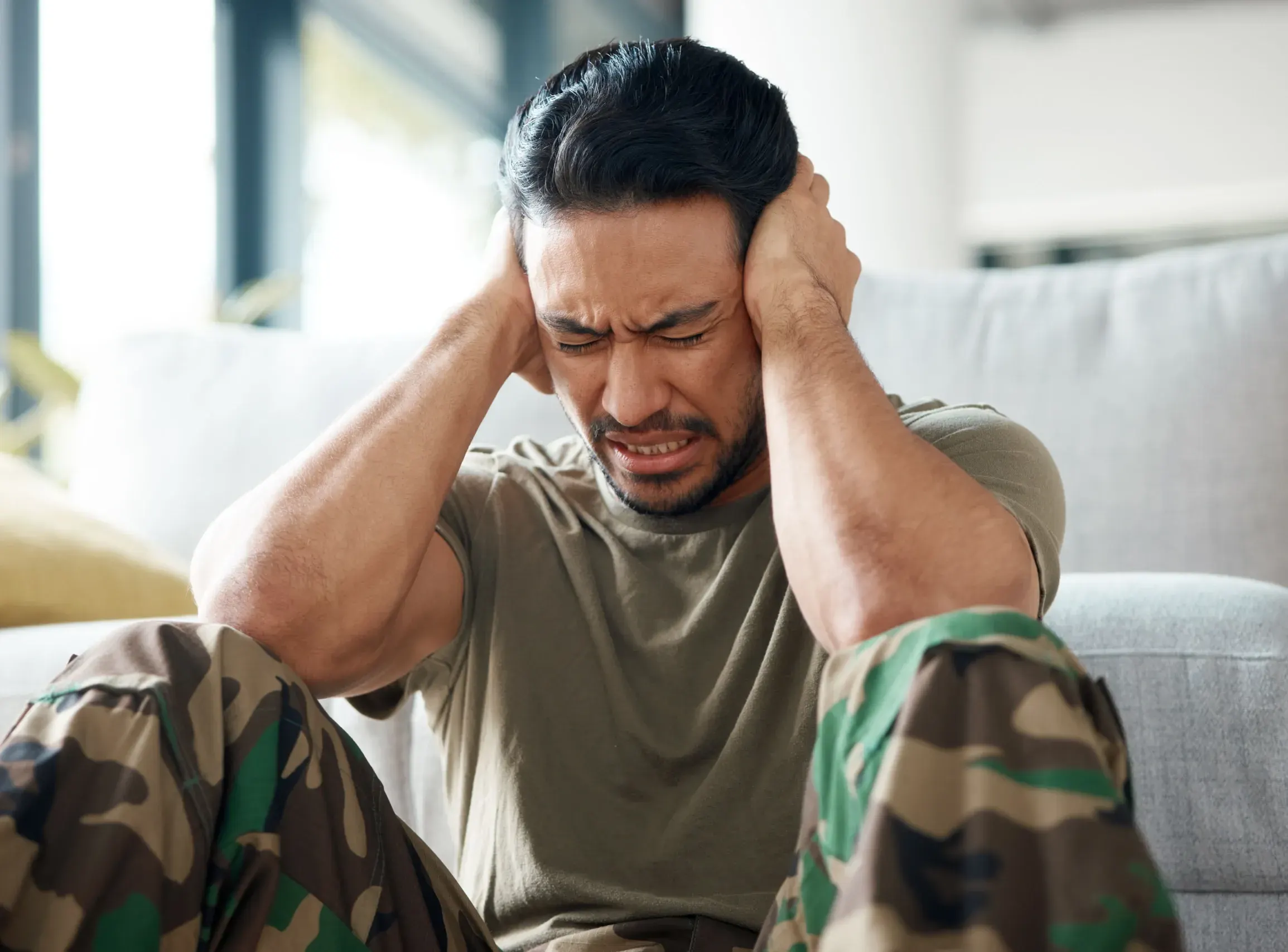
Veteran receiving PTSD treatment at Physicians Ketamine Institute Destin

PTSD Treatment in Destin, Florida

Reclaim Your Life from Trauma

Common In:Veterans, Trauma Survivors
Primary Causes:Trauma, Combat, Abuse
Treatment Time:40-60 minutes per infusion
Results:Often within hours to days
Understanding PTSD symptoms and treatment at Physicians Ketamine Institute Destin

What Is PTSD?

Recognizing the Signs

Post-traumatic stress disorder (PTSD) is a psychiatric condition triggered by experiencing or witnessing a life-threatening or deeply distressing event. It disrupts the brain's normal stress-response pathways, leaving the nervous system locked in a state of hypervigilance long after the danger has passed.

When everyday sounds, smells, or situations suddenly transport you back to a traumatic moment, you are experiencing the hallmark intrusive symptoms of PTSD. Flashbacks, nightmares, and intense emotional reactions can feel as real as the original event, making daily life unpredictable and exhausting.

Many patients describe feeling constantly on edge, emotionally numb, or disconnected from loved ones. PTSD can erode relationships, disrupt sleep, and make once-enjoyable activities feel meaningless. For veterans and first responders, these symptoms often carry an added burden of isolation and stigma.

Illustration of neurological pathways involved in PTSD at Physicians Ketamine Institute Destin

Why PTSD Happens

Understanding the Root Causes

PTSD develops when the brain's fear-processing circuits fail to recalibrate after trauma. The amygdala, responsible for threat detection, becomes hyperactive, while the prefrontal cortex, which normally modulates fear responses, loses regulatory control. Research shows that approximately 7-8% of the U.S. population will experience PTSD at some point, with rates reaching 11-20% among combat veterans.

This neurological imbalance triggers a cascade of stress hormones, including cortisol and norepinephrine, that keep the body in a perpetual fight-or-flight state. Over time, chronic stress hormone elevation damages hippocampal neurons responsible for contextualizing memories, making it impossible to distinguish past danger from present safety.

Glutamate signaling, the brain's primary excitatory neurotransmitter system, becomes dysregulated in PTSD. Excessive glutamate activity strengthens fear memory consolidation while impairing the formation of new, safety-associated neural pathways, which is precisely why traditional talk therapy alone often falls short for treatment-resistant cases.

Diagram showing neuroplasticity and brain recovery at Physicians Ketamine Institute Destin

Neuroplasticity & PTSD Recovery

How Trauma Rewires the Brain

The brain's capacity to form and reorganize synaptic connections, known as neuroplasticity, is central to both the development and resolution of PTSD. Traumatic experiences create deeply entrenched neural circuits that reinforce fear responses, effectively rewiring the brain's default mode to prioritize threat detection over rational assessment.

Chronic PTSD reduces brain-derived neurotrophic factor (BDNF), a protein essential for synaptic growth and neural repair. Lower BDNF levels impair the brain's ability to form new connections that could overwrite traumatic memory pathways. This molecular deficit helps explain why PTSD can persist for decades without appropriate intervention.

Emerging research demonstrates that treatments targeting glutamate receptors, particularly NMDA receptor modulation through ketamine, can rapidly restore BDNF levels and promote synaptogenesis. This mechanism offers a fundamentally different approach from traditional SSRIs, which can take weeks to show effect and fail to provide relief for an estimated 40-60% of PTSD patients.

Risk factors and triggers for PTSD at Physicians Ketamine Institute Destin

What Triggers and Sustains PTSD?

Identifying Your Risk Factors

01

Combat Exposure

Military service members exposed to combat, IED blasts, or witnessing casualties face significantly elevated PTSD risk, with repeated deployments compounding vulnerability.

02

Childhood Trauma

Early-life adverse experiences, including abuse, neglect, or household dysfunction, alter stress-response development and increase adult PTSD susceptibility by 2-3 times.

03

Sexual Assault

Survivors of sexual violence experience PTSD at rates of nearly 50%, making it one of the most potent trauma categories for developing persistent symptoms.

04

First Responder Stress

Repeated exposure to traumatic scenes as a firefighter, paramedic, or law enforcement officer creates cumulative trauma that often manifests as delayed-onset PTSD.

05

Traumatic Brain Injury

TBI and PTSD frequently co-occur in veterans and accident survivors, with neurological damage compounding emotional dysregulation and memory processing deficits.

06

Lack of Social Support

Isolation, stigma around seeking help, and absence of a supportive community after trauma significantly increase the risk of chronic, treatment-resistant PTSD.

Physicians Ketamine Institute clinic interior in Destin Florida

Why Choose Physicians Ketamine Institute

Expert PTSD Care in Destin

  • Veteran Who Understands
  • VA Community Care Partner
  • Physician-Administered Care
  • Rapid-Acting Relief

PTSD Treatment Options Comparison

Finding Your Best Approach

Treatment Best For Session Time Results Timeline Maintenance
Ketamine for Mental Health Treatment-resistant PTSD 40-60 minutes Hours to days Booster as needed
Exomind TMS Therapy Non-invasive neuromodulation 25 minutes 3-5 weeks Ongoing sessions
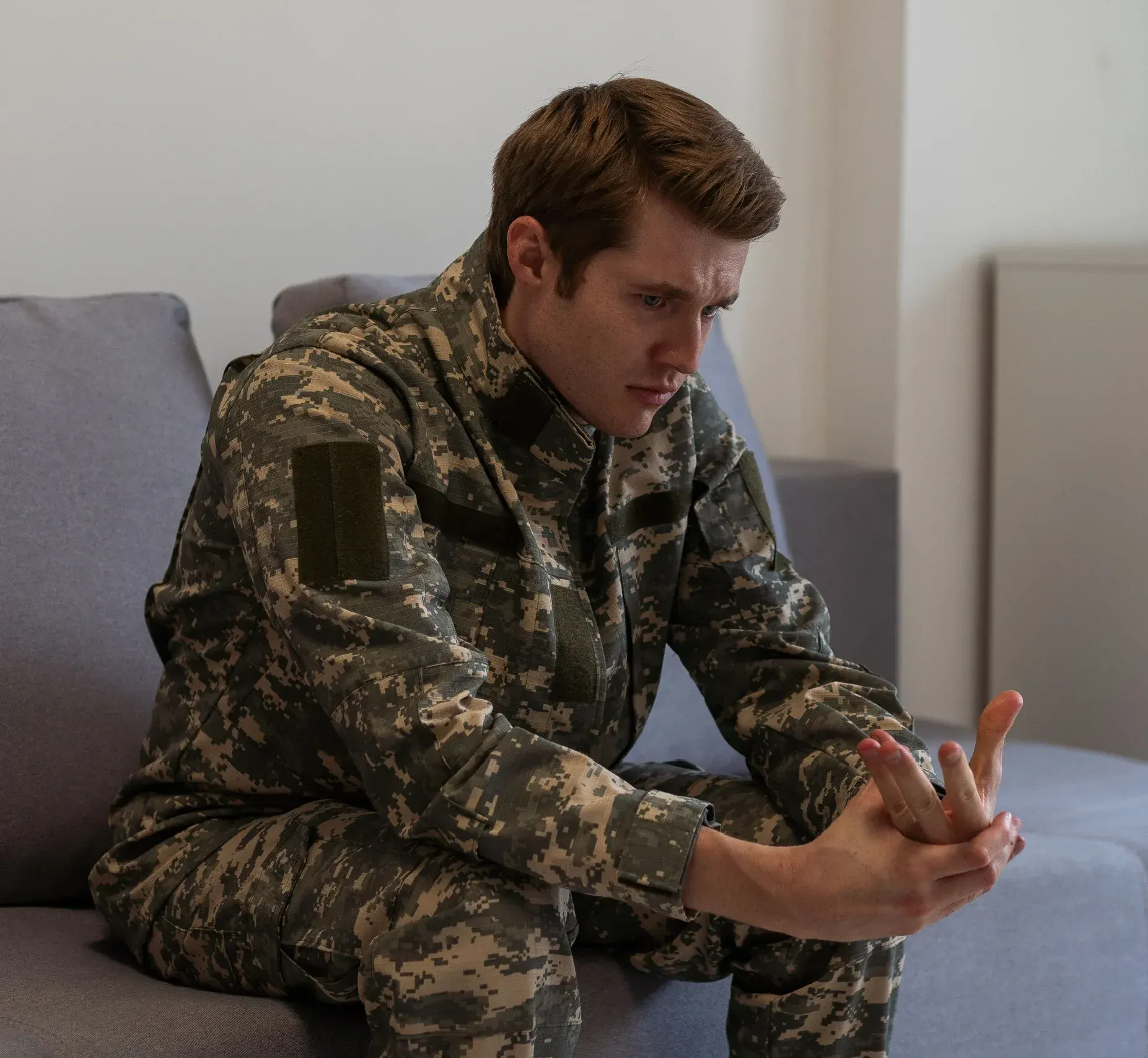
Person recognizing PTSD symptoms at Physicians Ketamine Institute Destin

You May Be Experiencing PTSD If...

Recognizing When to Seek Help

  • Intrusive Flashbacks
  • Nightmares & Sleep Disruption
  • Emotional Numbness
  • Hypervigilance
  • Avoidance Behavior
  • Anger & Irritability

Frequently Asked Questions

About PTSD Treatment

01 How does ketamine treat PTSD?

Ketamine works by modulating NMDA glutamate receptors in the brain, rapidly promoting new neural connections and restoring synaptic plasticity. Unlike traditional antidepressants that take weeks, many PTSD patients experience significant symptom relief within hours of their first infusion at our Destin clinic.

02 Are you a VA Community Care partner?

Yes, Physicians Ketamine Institute is an approved VA Community Care provider. Eligible veterans can receive ketamine infusion therapy for PTSD through their VA benefits. Contact our office or your VA care coordinator to verify eligibility and obtain a referral.

03 How many ketamine sessions are needed for PTSD?

Most patients begin with an initial series of six infusions over two to three weeks. Many patients experience meaningful improvement after the first or second session. Dr. Barnett develops a personalized protocol based on your symptom severity and treatment response.

04 What is the success rate for ketamine and PTSD?

Published research demonstrates that approximately 60-70% of patients with treatment-resistant PTSD experience significant symptom reduction with ketamine therapy. Many patients report improvements in sleep, hypervigilance, and emotional regulation within the first week of treatment.

05 Do you treat combat veterans with PTSD?

Absolutely. Dr. Barnett is an Air Force combat veteran who understands the unique challenges of military-related PTSD from personal experience. Our clinic serves active duty, veterans, and their families, and we are proud to be a VA Community Care partner in the Destin and greater Emerald Coast area.

06 Can ketamine be combined with my current PTSD medications?

In most cases, yes. Dr. Barnett coordinates with your prescribing psychiatrist or therapist to ensure ketamine infusions complement your existing treatment plan. Some medication adjustments may be recommended prior to beginning infusions.

07 What should I expect during a ketamine infusion for PTSD?

You will relax in a private infusion suite while Dr. Barnett administers a precisely dosed IV ketamine infusion over 40-60 minutes. Many patients experience a sense of calm dissociation during treatment. You will need a driver home and should plan to rest for the remainder of the day.

Location1241 Airport Rd, Suite A
Destin, FL, 32541

Schedule Your Consultation

Scientific References